
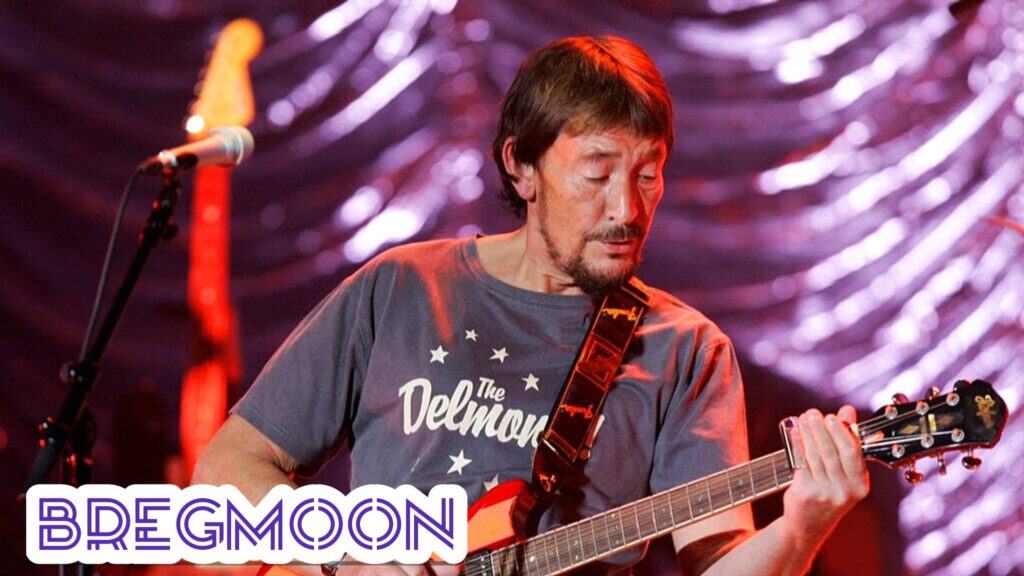
Chris Rea Biography
The news of Chris Rea’s passing on December 22, 2025, at the age of 74, sent a wave of somber reflection across the music world. It was a timing of profound, albeit bittersweet, irony. For decades, Rea’s gravelly baritone and soulful slide guitar had become the definitive soundtrack to the December pilgrimage home. To lose him just three days before Christmas felt like the closing of a chapter for a man whose life was defined by the metaphors of the road, the blues, and an unyielding resilience against the odds.
Chris Rea was never a conventional pop star. He was a “late bloomer” who didn’t pick up a guitar seriously until his twenties, a multi-million-selling artist who preferred the grease of a racing engine to the glitz of an awards show, and a musician who, when faced with terminal illness, chose to abandon commercial pop entirely to return to his first love: the blues.
ALSO SEE: ROMEO ACOP BIOGRAPHY
Early Life: The Ice Cream Man’s Son
Born Christopher Anton Rea on March 4, 1951, in Middlesbrough, England, his upbringing was a blend of Italian and Irish heritage. His father, Camillo, owned a famous local ice cream business, and the young Chris spent much of his youth immersed in the working-class reality of Northeast England.
Unlike many of his contemporaries who were child prodigies, Rea didn’t set out to be a musician. He originally wanted to be a journalist. It wasn’t until he was 22 years old, an age when many rock stars are already on their third album, that he bought his first guitar after hearing the slide guitar work of Ry Cooder. This late start gave him a unique perspective; he approached the instrument not with the desire for speed, but for “voice” and “feel.”
The Early Career: Benny Santini and the US Breakthrough
In the mid-1970s, Rea joined a local band called The Beautiful Losers, but his talent quickly outgrew the regional circuit. He signed a solo deal with Magnet Records, leading to his 1978 debut album, Whatever Happened to Benny Santini? (the title was a sarcastic jab at the label’s attempt to give him a more “marketable” stage name).
The album produced the hit “Fool (If You Think It’s Over),” which became a massive success in the United States, reaching No. 12 on the Billboard Hot 100 and earning him a Grammy nomination for Best New Artist. Paradoxically, while he was a star in America, he remained relatively obscure in his home country for several more years.
The Golden Era: Driving and Chart Dominance
Throughout the 1980s, Rea built a massive following in Continental Europe, specifically in Germany and Ireland, before the UK finally caught up. His music evolved into a polished, atmospheric blend of soft rock and blues, often featuring themes of travel and escapism.
- “On the Beach” (1986): This track solidified his “smooth” sound and became a summer anthem across Europe.
- “Driving Home for Christmas” (1986): Originally a B-side, the song was written in 1978 when Rea was stuck in heavy traffic in his wife’s Austin Mini. It eventually grew into a perennial classic, charting every year and becoming a cultural touchstone of the holiday season.
- The Road to Hell (1989): This was his magnum opus. The album went 6× Platinum in the UK and topped the charts. Its title track, a biting commentary on the dehumanization of modern life and the M25 motorway, remains one of the most iconic British rock songs of all time.
The Battle for Life and the Return to the Blues
The most pivotal moment in Rea’s biography occurred in the early 2000s. After years of suffering from various ailments, he was diagnosed with pancreatic cancer. He was given a 50% chance of survival following a grueling “Whipple procedure,” which involved removing his pancreas, part of his stomach, and his duodenum.
Rea made a pact with himself: if he survived, he would stop making the “commercial” music his record labels demanded and dedicate the rest of his life to the blues. He kept his word.
- Blue Guitars (2005): An ambitious project consisting of 11 CDs, 137 songs, and his own original paintings, tracing the history of the blues.
- Independent Spirit: He founded his own label, Jazzee Blue, to release music that prioritized artistic integrity over radio play.
Despite further health setbacks, including a stroke in 2016 and the complications of being a type-1 diabetic following his surgery, he continued to tour and record. His 2017 album, Road Songs for Lovers, proved that his songwriting remained as sharp and evocative as ever.
Artistry and Legacy
Beyond music, Rea was a man of many passions. He was a gifted painter, often creating the artwork for his own albums. He was also an avid fan of historic motor racing, famously owning and racing vintage Ferraris and Lotuses. This love for “the machine” and the “road” wasn’t just a hobby; it was the primary metaphor for his life, a journey that required constant maintenance and a steady hand on the wheel.
ALSO SEE: WILL PARFITT BIOGRAPHY
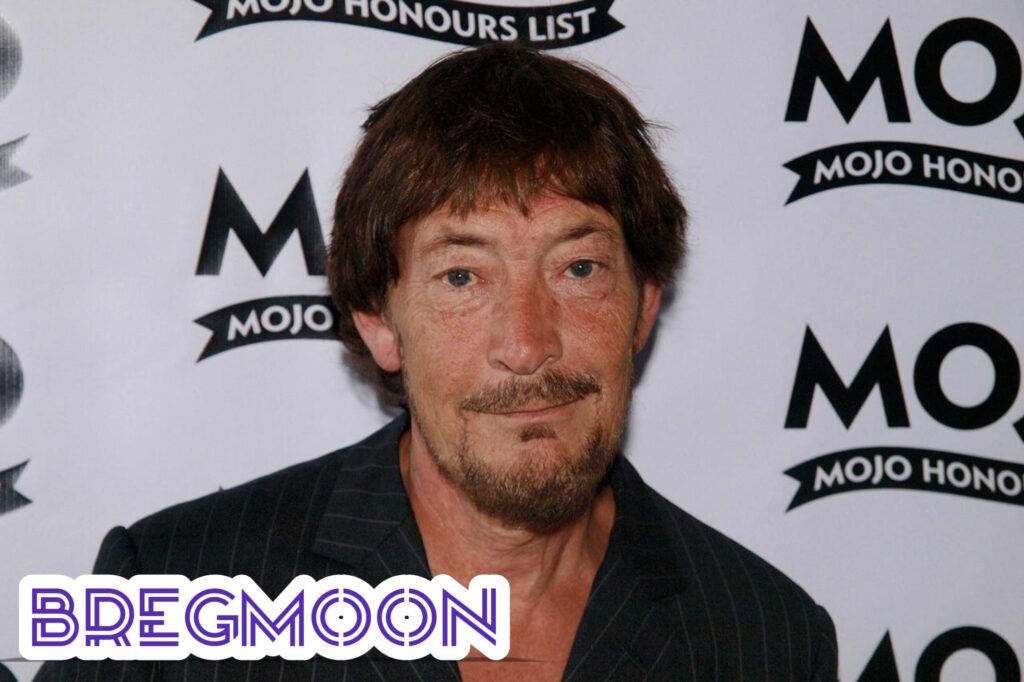
Chris Rea Career Statistics at a Glance
| Category | Milestone |
|---|---|
| Total Albums | 25 Studio Albums |
| Record Sales | Over 40 Million worldwide |
| UK No. 1 Albums | The Road to Hell (1989), Auberge (1991) |
| Signature Instrument | Pink Fender Stratocaster (nicknamed “Pinky”) |
| Major Award | Grammy Nomination for Best New Artist (1978) |
The Final Verse
The “recent trend” regarding Chris Rea is one of immense gratitude and mourning. Following the announcement of his death on December 22, 2025, tributes from across the globe highlighted not just his music, but his character. He was known as a private, humble family man who stayed with his teenage sweetheart, Joan, for over 50 years.
As his signature song “Driving Home for Christmas” echoed through speakers in the days following his death, the lyrics took on a new, poignant weight. For Chris Rea, the long journey home is finally over, but the road he paved with his music remains open for everyone else. He leaves behind a legacy of 40 million records sold, but more importantly, he leaves a testament to the power of the human spirit to reinvent itself in the face of mortality.
Chris Rea Songs
Here is a curated look at those two pillars of his later life.
I. The Blues Playlist: The “Jazzee Blue” Years
After his life-saving surgery in the early 2000s, Rea abandoned the “Formula 1 of Pop” for the raw, unpolished world of the Delta blues. If you want to experience the soul of the man behind the hits, these are the essential tracks from his blues era:
- “Stony Road” (Stony Road, 2002): The definitive track of his rebirth. It’s slow, gritty, and features some of his most haunting slide guitar work, reflecting his recovery and new outlook on life.
- “Easy Rider” (Blue Guitars, 2005): From his massive 11-album box set, this track showcases his mastery of the “Electric Memphis” style.
- “Somewhere Between Highway 61 & 49” (Blue Guitars, 2005): A direct tribute to the geography of the blues, highlighting his deep knowledge of the genre’s history.
- “The Blue Cafe” (1998/Live versions): While the original was a hit, his later live blues arrangements turned this into a moody, atmospheric masterpiece.
- “Dancing the Blues Away” (Live at Montreux): A high-energy performance that proves the blues wasn’t just about sadness for Rea; it was about the joy of survival.
- “Legacy Blues” (The Best, 2018): A later track that serves as a perfect summation of his weathered, baritone-heavy late style.
II. The “Ferrarista”: A Life in the Fast Lane
Chris Rea didn’t just collect cars; he lived them. His passion for motor racing was so intense that he often said he felt more “at home” in a paddock than on a stage.
The “Sharknose” Obsession
Rea’s childhood hero was the German driver Wolfgang von Trips, who died in a tragic accident at Monza in 1961. This event haunted Rea and inspired his 1996 film and soundtrack, La Passione.
Note: Because the original 1961 Ferrari 156 “Sharknose” cars were all destroyed by Enzo Ferrari, Rea spent a fortune commissioning two exact replicas to be built from scratch so he could feature them in his film.
Notable Cars in His Collection
| Car Model | Significance |
|---|---|
| Caterham 7 (Blue) | Featured on the cover of the Auberge (1991) album and in the music video. |
| Ferrari F355 Berlinetta | Rea famously ordered his without a radio, stating he wanted to “listen to the music” of the engine instead. |
| Ferrari Dino 308 GT4 | He owned several versions, including a red-and-gold race car he campaigned in the Ferrari Challenge. |
| Morris Minor “999” | A 1957 ex-police car he raced in historic events as recently as 2020. |
ALSO SEE: ANTHONY GEARY BIOGRAPHY
The “Mechanic” at Monaco
Rea’s love for the sport was so respected that he didn’t just sit in VIP boxes. In 1995, he joined the Jordan Grand Prix team at the Monaco GP, not as a guest, but as a member of the crew. He wore the full uniform and was assigned the job of handling the rear-right tyre warmer for driver Eddie Irvine. He later called it one of the most stressful and rewarding experiences of his life.
A Legacy in Two Parts
Whether he was “Driving Home for Christmas” or driving a Ferrari 308 around Donington Park, Chris Rea lived with a quiet, fierce integrity. He spent his final years exactly how he wanted: painting in his studio, tinkering with engines, and playing the blues on his battered pink Stratocaster.
Lastly, Chris Rea has a Wikipedia page dedicated to his name, you can explore more about his life journey there.


