Sylvia Plath: Biography of the Blazing Art and Troubled Life of a Literary Icon, Books, Poems and Death

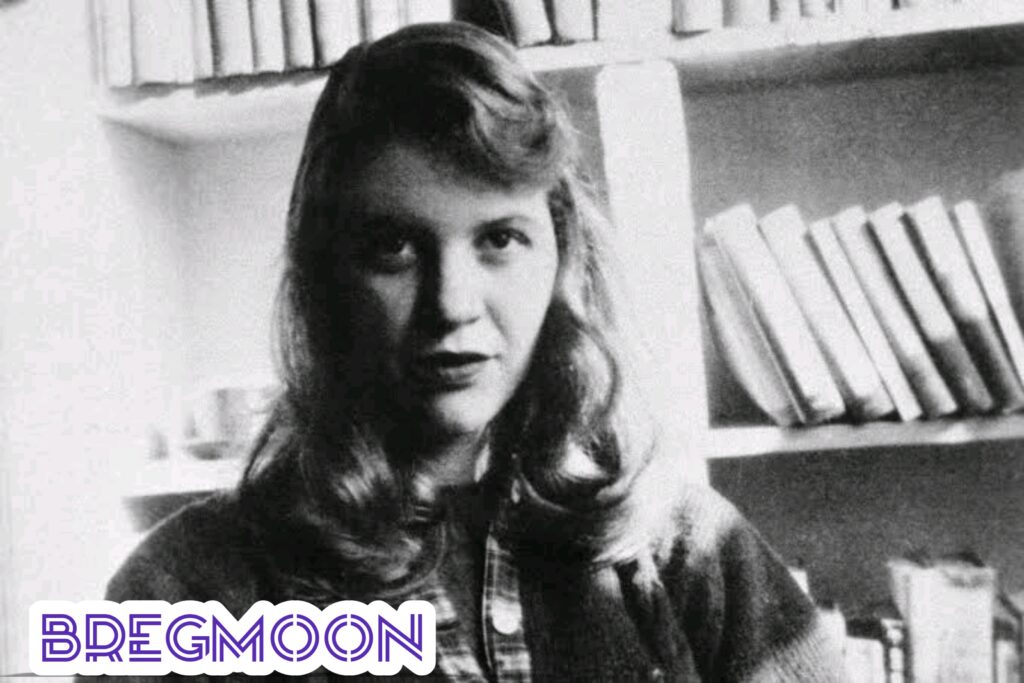
Sylvia Plath Biography
As of March 2026, the legacy of Sylvia Plath (1932–1963) is undergoing a significant renaissance. Long defined by the tragedy of her death, a new wave of scholarship and anniversary publications, most notably the 2026 definitive edition of The Poems of Sylvia Plath, is refocusing the world’s attention on her technical brilliance, her innovation in confessional poetry, and her role as a precursor to modern feminist thought.
Plath’s biography is a complex tapestry of academic perfectionism, domestic struggle, and a relentless creative drive that produced some of the most searing imagery in the English language.
ALSO SEE: NICOLAS MADURO BIOGRAPHY
Early Life and Academic Brilliance
Born on October 27, 1932, in Boston, Massachusetts, Sylvia Plath was the daughter of Otto Plath, a German-born entomology professor and bee expert, and Aurelia Schober Plath. Her father’s death from untreated diabetes when Sylvia was only eight years old became a foundational trauma, later serving as the haunting centerpiece of poems like “Daddy.”
From a young age, Plath was a high-achiever. She published her first poem at age eight and continued to win literary contests throughout her teens. She attended Smith College on a scholarship, where she achieved stellar grades but also experienced her first major mental health crisis. In 1953, following a grueling summer as a guest editor for Mademoiselle in New York City (an experience that inspired her novel The Bell Jar), Plath attempted suicide and underwent a period of psychiatric hospitalization and electroconvulsive therapy (ECT).
Despite these struggles, she graduated summa cum laude in 1955 and won a Fulbright Fellowship to study at Newnham College, Cambridge, in England.
The Hughes Era and Domestic Conflict
In 1956, at a launch party in Cambridge, Plath met the English poet Ted Hughes. Their meeting is legendary: a tempestuous encounter where she famously bit his cheek. They were married within months.
The early years of their marriage were a period of intense mutual productivity. However, as the 1960s began, the relationship fractured. Following the birth of their two children, Frieda and Nicholas, Plath discovered Hughes was having an affair with Assia Wevill. The couple separated in late 1962, leaving Plath to face the coldest London winter in decades as a single mother.
The “Ariel” Period: A Final Burst of Genius
The five months following her separation from Hughes were perhaps the most prolific in the history of 20th-century poetry. Living in a London flat once owned by W.B. Yeats, Plath woke at 4:00 AM every morning to write before her children stirred. During this “blazing” period, she composed the masterpieces that would form the posthumous collection Ariel:
- “Lady Lazarus”: A poem of resurrection and defiance.
- “Daddy”: A harrowing exorcism of paternal and marital ghosts.
- “Ariel”: A visceral, staccato depiction of a ride toward the sun.
In January 1963, she published her semi-autobiographical novel, The Bell Jar, under the pseudonym Victoria Lucas. Despite her creative output, her depression deepened. On February 11, 1963, at the age of 30, Sylvia Plath took her own life.
Sylvia Plath Profile at a Glance
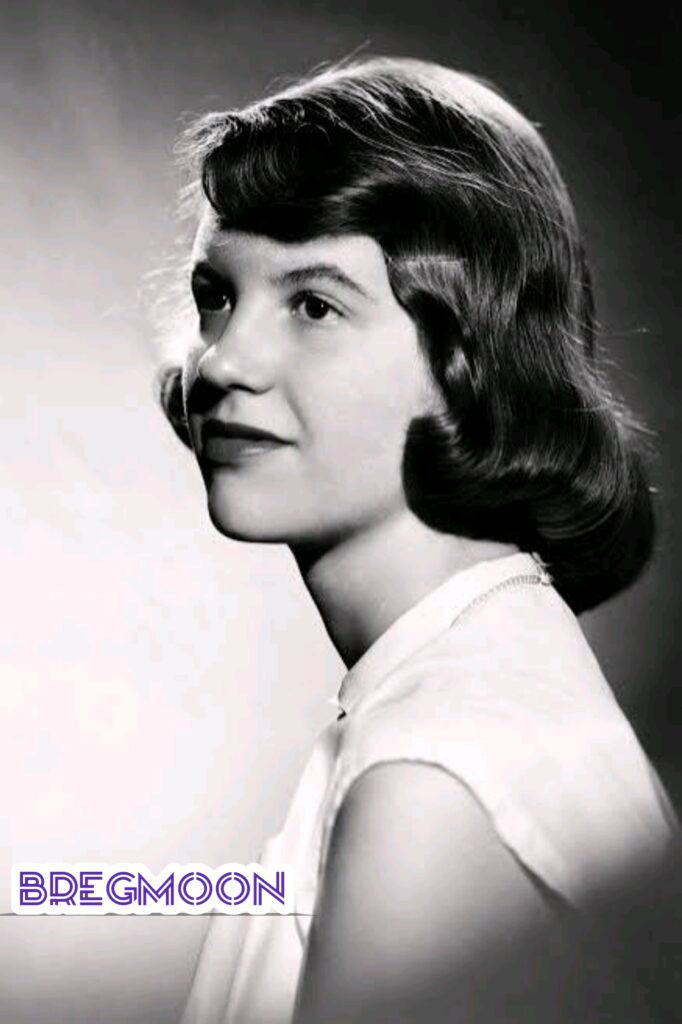
| Category | Details |
|---|---|
| Birth Date | October 27, 1932 |
| Died | February 11, 1963 (Age 30) |
| Major Works | The Bell Jar, Ariel, The Colossus |
| Honors | Pulitzer Prize for Poetry (Posthumous, 1982) |
| Movement | Confessional Poetry |
| 2026 Milestone | 60th Anniversary Editions of The Bell Jar |
Legacy and the “Confessional” Label
Plath is often grouped with poets like Robert Lowell and Anne Sexton in the “Confessional” school. However, 2026 scholarship emphasizes that Plath’s work was more than mere “confession.” It was a highly controlled, metaphorical transformation of personal pain into universal myth. She used surrealism, Holocaust imagery, and domestic metaphors to give voice to female anger and identity at a time when women were expected to be silent.
In 1982, Plath became the first person to win the Pulitzer Prize for Poetry posthumously for her Collected Poems. Today, she remains a pillar of American literature, studied not just for her tragedy, but for her unparalleled command of the English language.
ALSO SEE: LADY GAGA BIOGRAPHY
Sylvia Plath Books
While Plath is primarily celebrated for her poetry, her prose remains equally vital to the feminist literary canon. Her singular novel, “The Bell Jar”, stands as a landmark of 20th-century fiction. Originally published in January 1963 under the pseudonym Victoria Lucas, it provides a semi-autobiographical account of Esther Greenwood’s descent into mental illness amidst the suffocating societal expectations of the 1950s.
Beyond her novel, Plath’s prose includes:
- “Johnny Panic and the Bible of Dreams”: A posthumous collection of short stories, essays, and diary fragments that showcase her sharp, often dark wit.
- “The Unabridged Journals of Sylvia Plath”: Essential for scholars, these journals reveal the raw, unedited thoughts behind her most famous works.
- “Letters Home”: A curated selection of correspondence to her mother, Aurelia, which presents a striking contrast to the darker themes found in her poetry.
- “The It-Doesn’t-Matter Suit”: A surprising children’s book written for her own children, illustrating a whimsical side of her creative output.
Sylvia Plath Poems
Plath’s poetry evolved from the rigid, meticulously crafted forms of her early work to the raw, visceral energy of her final months. Her first collection, “The Colossus and Other Poems” (1960), displayed her mastery of classical technique and mythological allusion. However, it was the posthumous release of “Ariel” (1965) that cemented her status as a revolutionary.
Key poems that define her legacy include:
- “Lady Lazarus”: A powerful exploration of suicide as a public spectacle and a “theatrical” performance of resurrection.
- “Daddy”: A complex, controversial piece that utilizes Holocaust metaphors to confront the lingering ghost of her father and her relationship with Ted Hughes.
- “Tulips”: Written during a hospital stay, this poem captures the tension between the peace of “numbness” and the vibrant, painful intrusion of life.
- “Morning Song”: One of her most tender works, detailing the alien yet profound experience of early motherhood.
- “Edge”: Often considered her final poem, it presents a chillingly composed vision of death as a completed “art.”
Sylvia Plath Death
The death of Sylvia Plath is one of the most scrutinized events in literary history. On February 11, 1963, during one of the coldest winters in London’s history, Plath took her own life at the age of 30. Residing in a flat on Fitzroy Road, she meticulously sealed the kitchen doors and windows with towels and tape to protect her two young children, Frieda and Nicholas, who were sleeping in the next room. She then placed her head in the oven and died of carbon monoxide poisoning.
Her passing ignited decades of debate regarding the role of her estranged husband, Ted Hughes, and the adequacy of the psychiatric care available at the time. In 2026, scholars continue to emphasize that while her death was a tragedy, it should not overshadow the “genius of resilience” present in her writing—a sentiment Plath herself expressed in her final letters, where she recognized the immense power of the work she was leaving behind.
Further Reading & Citations
- Britannica – Sylvia Plath: A comprehensive overview of her life and bibliography.
- Faber & Faber – Sylvia Plath 2026: Details on the new definitive editions of her poetry.
- The Poetry Foundation – Plath Profile: Analysis of her major poems and their impact on modern verse.