Harriet Tubman Biography: The Inspiring story of the Legendary Abolitionist who defied Slavery in the 19th-Century

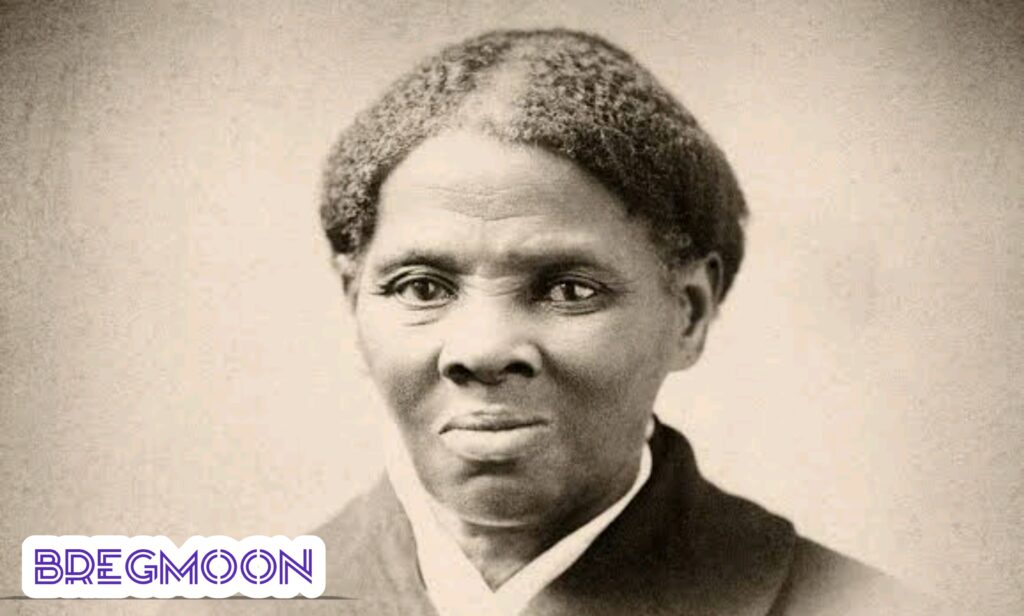
Harriet Tubman Biography
Harriet Tubman’s name is experiencing a profound re-examination as of March 2026. Just days ago, on March 10, the “Towards a More Perfect Union” celebration in Auburn, New York, highlighted a side of Tubman often glossed over in standard textbooks: her role as a sophisticated military tactician. Today, we recognize her not just as a “conductor” of the Underground Railroad, but as the first woman to lead a major armed assault in American history, a role that earned her a posthumous promotion to One-Star Brigadier General in the Maryland National Guard in late 2024.
Her story is a masterclass in resilience, spiritual conviction, and the strategic pursuit of justice.
Early Life: Araminta Ross and the “Neglected Weed”
Born around 1822 as Araminta “Minty” Ross in Dorchester County, Maryland, Harriet Tubman was born into the brutality of chattel slavery. She was one of nine children born to Harriet “Rit” Green and Ben Ross. Her childhood was marked by physical violence and labor that she later described as growing up like a “neglected weed,” ignorant of the very concept of liberty.
A pivotal moment occurred in her teens while she was working at a local store. An overseer threw a heavy two-pound iron weight at another enslaved person who was attempting to flee. The weight missed its target and struck Tubman in the head, causing a depressed skull fracture. The injury left her with a lifelong disability, a traumatic brain injury that caused seizures, severe headaches, and vivid narcoleptic dreams. Rather than breaking her, she interpreted these “visions” as divine communication from God. Modern medical analysis suggests these were symptoms of post-traumatic narcolepsy, but for Tubman, they provided the spiritual “maps” and premonitions that would later guide her through the most dangerous terrains of the South.
ALSO SEE: MARCO RUBIO BIOGRAPHY
The Escape and the Underground Railroad
In 1849, fearing she was about to be sold further South following the death of her enslaver, Tubman made a daring escape to Philadelphia. She traveled by night, guided by the North Star and the secret network of the Underground Railroad. Upon crossing the line into Pennsylvania, she famously remarked:
“I looked at my hands to see if I was the same person. There was such a glory over everything; the sun came up like gold through the trees and I felt like I was in heaven.”
However, she soon realized that freedom was bittersweet while her family remained in bondage. Over the next decade, Tubman returned to Maryland approximately 13 times. After the Fugitive Slave Act of 1850 was passed, she rerouted her “train” to Canada, where slavery was strictly prohibited. Using a secret network of safe houses and abolitionist allies, she personally led around 70 people to safety. Remarkably, she maintained a perfect record, often stating that she never lost a passenger.
Harriet Tubman Movie: Portraying a Freedom Fighter
The 21st century has seen a significant effort to bring Tubman’s gritty reality to the screen.
- “Harriet” (2019): Starring Cynthia Erivo, this film brought her bravery to global mainstream audiences, focusing on her transition from an escapee to a leader.
- “Living Harriet Tubman” (2026): A new documentary that premiered in Washington, D.C. in February 2026. It follows modern Civil War reenactors who have spent decades portraying Tubman to ensure her tactical genius is never forgotten.
- “Harriet Tubman: Visions of Freedom”: A critically acclaimed documentary narrated by Alfre Woodard, which has seen a resurgence in 2026 for its nuanced exploration of her metaphysical connection to the divine.
Harriet Tubman History: The Brigadier General
While many remember the Underground Railroad, the “History” sections of 2026 are focused on her service during the American Civil War. Serving as a nurse, cook, scout, and spy for the Union Army, Tubman utilized her knowledge of the Southern marshlands to dismantle Confederate supply lines. She became an “invisible” agent, often disguising herself as an aging enslaved woman to gather intelligence behind enemy lines.
In June 1863, she reached her military zenith by leading the Combahee River Raid in South Carolina. Working alongside Colonel James Montgomery, Tubman guided three Union gunboats past Confederate torpedoes, locations she had learned from her network of local informants. Under her command, the raid liberated over 750 enslaved people in a single night and destroyed several influential Confederate rice plantations. This raid was a major psychological blow to the Confederacy and remains a cornerstone of military intelligence studies today.
Harriet Tubman Profile at a Glance (2026 Update)
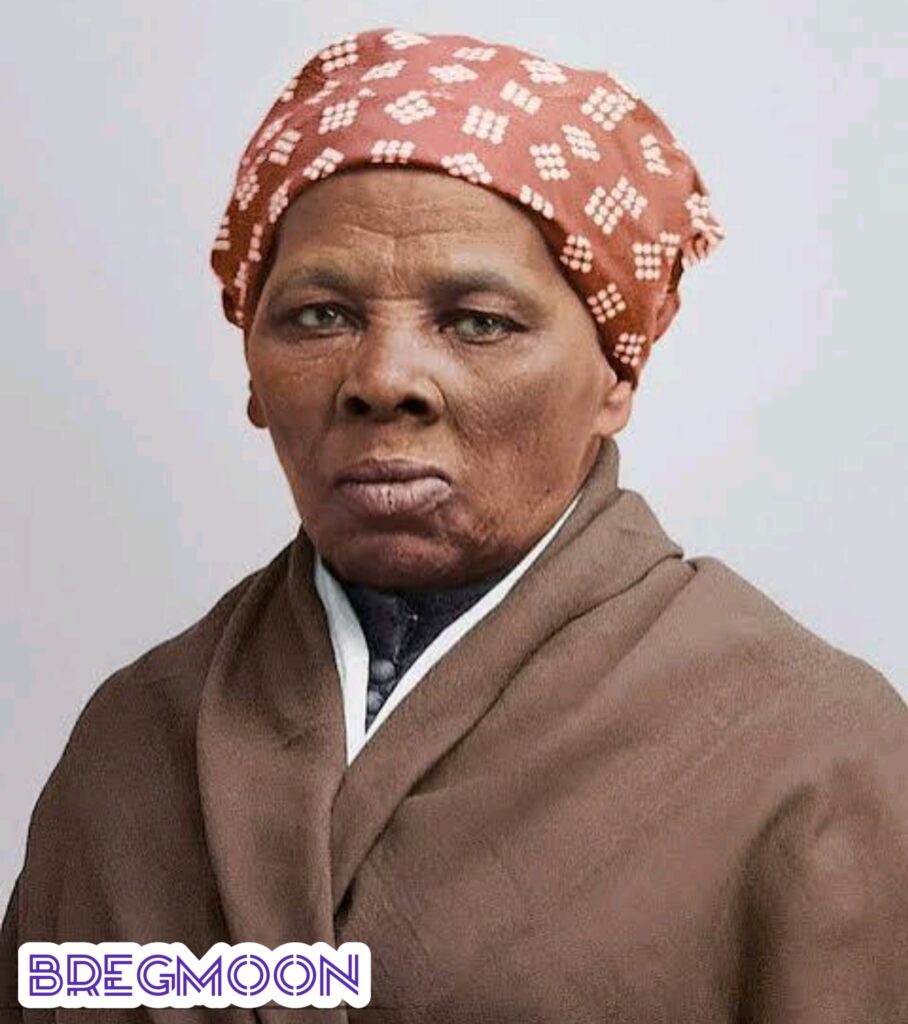
| Category | Details |
|---|---|
| Birth Name | Araminta “Minty” Ross |
| Active Years | c. 1822 – March 10, 1913 |
| Military Rank | Brigadier General (Posthumous, 2024) |
| Most Famous Raid | Combahee River Raid (1863) |
| Legacy Site | Harriet Tubman National Historical Park (Auburn, NY) |
| 2026 Theme | “Towards a More Perfect Union” |
ALSO SEE: RALPH LAUREN BIOGRAPHY
The Post-War Years: Suffrage and Social Care
After the Civil War, Tubman settled in Auburn, New York, on land she purchased from Senator William H. Seward. Even in her later years, she did not rest. She became a prominent figure in the Women’s Suffrage movement, working alongside leaders like Susan B. Anthony to argue that her service to the country proved women deserved the right to vote.
Her humanitarian work continued as she took in orphans and the elderly, eventually establishing the Harriet Tubman Home for Aged and Indigent Negroes. In a final act of devotion to her community, she deeded her property to the African Methodist Episcopal (AME) Zion Church to ensure the home would continue after her death. She spent her final days there as a patient herself until her passing in 1913.
Harriet Tubman Quotes: Words of a Warrior
As we look back in 2026, her quotes serve as a blueprint for modern activism and perseverance:
- “I had reasoned this out in my mind; there was one of two things I had a right to, liberty or death; if I could not have one, I would have the other.”
- “God’s time is always near. He set the North Star in the heavens; He gave me the strength in my limbs; He meant I should be free.”
- “If you hear the dogs, keep going. If you see the torches in the woods, keep going. Don’t ever stop. Keep going. If you want a taste of freedom, keep going.”
Final Years
Harriet Tubman was buried with full military honors at Fort Hill Cemetery in Auburn. Today, she is not just a figure of the past but a living symbol of defiance. As plans continue to place her image on the U.S. $20 bill, her story remains a reminder that real change requires more than just words, it requires the courage to “pray with your legs” and keep going until the line is crossed.
You can explore more on Harriet Tubman’s bravery escape from slavery and activism on her official Wikipedia page.